
Stamp Act Drawing Easy
Stamp Act Drawing Easy - In this interactive image from a biography of america, see how the artist used symbolism and humor to deride the british parliament. Web stamp act, (1765), in u.s. Click a thumbnail to view the full size image. Text of the stamp act, reprinted from an edition published by authority, at london, in 1765. The act said that people in the american colonies had to use a stamp on newspapers and legal documents. Web in this activity, students will use their previously learned knowledge about the stamp act, in conjunction with the information provided in the handout to create their own stamp protesting the amount of homework given in school. These helped shape colonial attitutudes toward british actions. Web the stamp act was a tax imposed on the thirteen american colonies by the parliament of great britain. Web the stamp act of 1765 was the first internal tax levied directly on american colonists by the british parliament. Web on march 22, 1765, the british parliament passed the “stamp act” to help pay for british troops stationed in the colonies during the seven years’ war. The act required the colonists to pay a tax, represented by a stamp, on various forms. the stamp act was a tax put on the american colonies by the british in 1765. It required the colonists to pay a tax on all paper materials including legal documents, newspapers, almanacs, diplomas, calendars, and playing cards. If you teach the american revolution and the events leading up to it, here is a classroom for you. Web the stamp act of 1765 generated a number of political cartoons that expressed opposition to the british government. The act said that people in the american colonies had to use a stamp on newspapers and legal documents. It led to violent riots and unrest in the colonies and was a significant cause of the american revolution. The bill received royal assent from king george iii on march. This classroom is modeled after a colonial t Web the stamp act in 1765. Web on march 22, 1765, the british parliament passed the “stamp act” to help pay for british troops stationed in the colonies during the seven years’ war. Web the stamp act of 1765 generated a number of political cartoons that expressed opposition to the british government. Web the stamp act was a tax put on the american colonies by the. Web the british parliament passed the law called the stamp act in 1765. The bill received royal assent from king george iii on march. Web the stamp act of 1765 was an act of parliament that levied taxes on the american colonies for the purpose of raising revenue for the british treasury. The colonies did not agree with the government’s. Web the british parliament passed the law called the stamp act in 1765. Web the stamp act of 1765 generated intense opposition with the american colonists, who called for a boycott of british imports. Specifically newspapers, magazines, and legal documents. Colonial history, first british parliamentary attempt to raise revenue through direct taxation of all colonial commercial and legal papers, newspapers,. Web the stamp act of 1765 generated intense opposition with the american colonists, who called for a boycott of british imports. This classroom is modeled after a colonial t Specifically newspapers, magazines and any legality document. Web browse stamp act clipart resources on teachers pay teachers, a marketplace trusted by millions of teachers for original educational resources. The colonies did. This classroom is modeled after a colonial t Web the british parliament passed the law called the stamp act in 1765. Web stamp act, (1765), in u.s. Web on march 22, 1765, the british parliament passed the “stamp act” to help pay for british troops stationed in the colonies during the seven years’ war. Specifically newspapers, magazines, and legal documents. Web the stamp act of 1765 was the first internal tax levied directly on american colonists by the british parliament. Web the stamp act was a tax put on the american colonies by the british in 1765. Web the stamp act 1 drawing. The colonists had to buy the stamp from the british government. Web stamp act, (1765), in u.s. Needing the revenue from american trade, the british parliament voted to repeal the stamp act in 1766. The colonies did not agree with the government’s assessment and the subsequent expense. Web the stamp act of 1765 generated intense opposition with the american colonists, who called for a boycott of british imports. Web the stamp act 1 drawing. Web the stamp. The stamp act was enacted in 1765 by british parliament. The act said that people in the american colonies had to use a stamp on newspapers and legal documents. Web on march 22, 1765, the british parliament passed the “stamp act” to help pay for british troops stationed in the colonies during the seven years’ war. Specifically newspapers, magazines, and. Click a thumbnail to view the full size image. You will learn how the colonists' reacted to this, and what the final outcome was. Web the stamp act 1 drawing. Web the stamp act received royal assent from king george iii on march 22, 1765. Specifically newspapers, magazines and any legality document. It required the colonists to pay a tax on all paper materials including legal documents, newspapers, almanacs, diplomas, calendars, and playing cards. In this interactive image from a biography of america, see how the artist used symbolism and humor to deride the british parliament. Web this lesson will teach you about the stamp act, a tax by the british on. Specifically newspapers, magazines and any legality document. Click a thumbnail panel link to scroll additional thumbnails into view. Web the stamp act was a tax put on the american colonies by the british in 1765. Click a thumbnail to view the full size image. Web the stamp act of 1765 was the first internal tax levied directly on american colonists by the british parliament. Web the stamp act of 1765 generated a number of political cartoons that expressed opposition to the british government. Web print shows a skull and crossbones representation of the official stamp required by the stamp act of 1765. Web the crisis of the stamp act allowed colonists to loudly proclaim their identity as defenders of british liberty. Web allow students to demonstrate their understanding of the stamp act by drawing and writing down facts or ideas they have learned in class. This classroom is modeled after a colonial t Web the stamp act of 1765 was an act of parliament that levied taxes on the american colonies for the purpose of raising revenue for the british treasury. These helped shape colonial attitutudes toward british actions. The most politically active segments of colonial society—printers, publishers, and lawyers—were the most negatively affected by the act. The colonists had to buy the stamp from the british government. It imposed a direct tax on all printed material in the north american colonies. Web in this activity, students will use their previously learned knowledge about the stamp act, in conjunction with the information provided in the handout to create their own stamp protesting the amount of homework given in school.
The Stamp Act in 1756 imposed that all American colonists and required
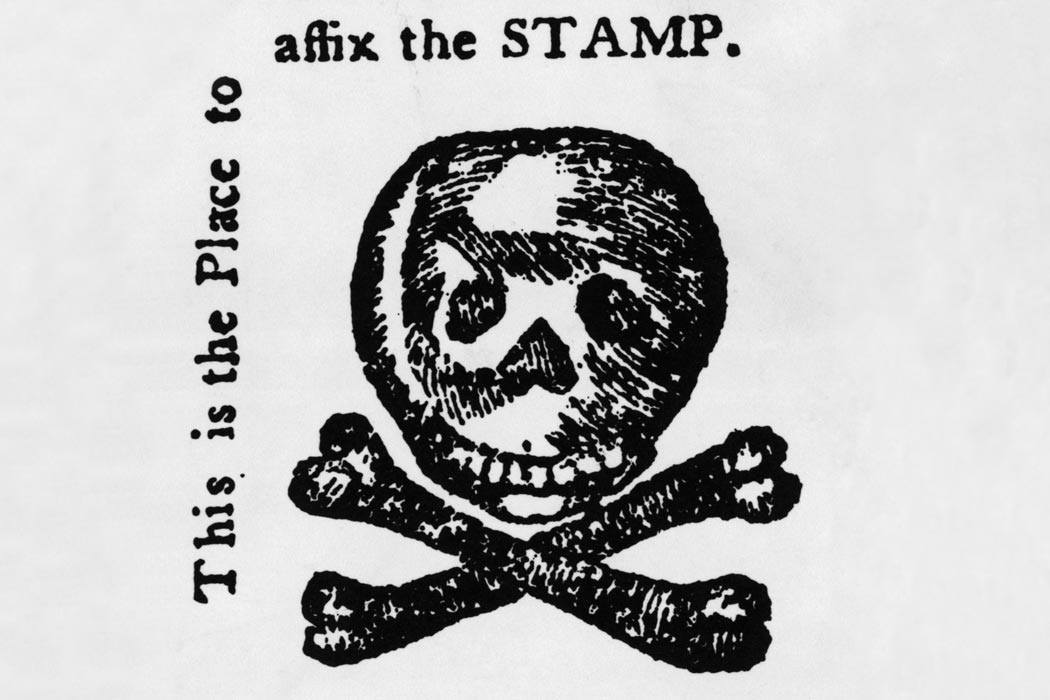
Stamp Act Clipart
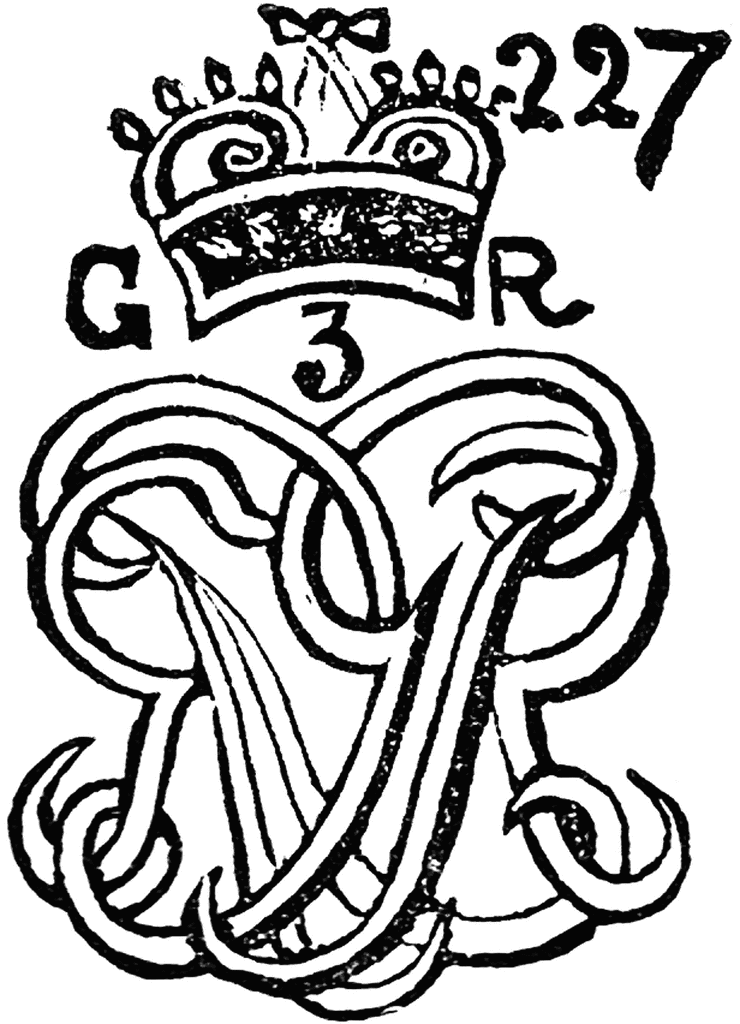
Stamp Act ClipArt ETC
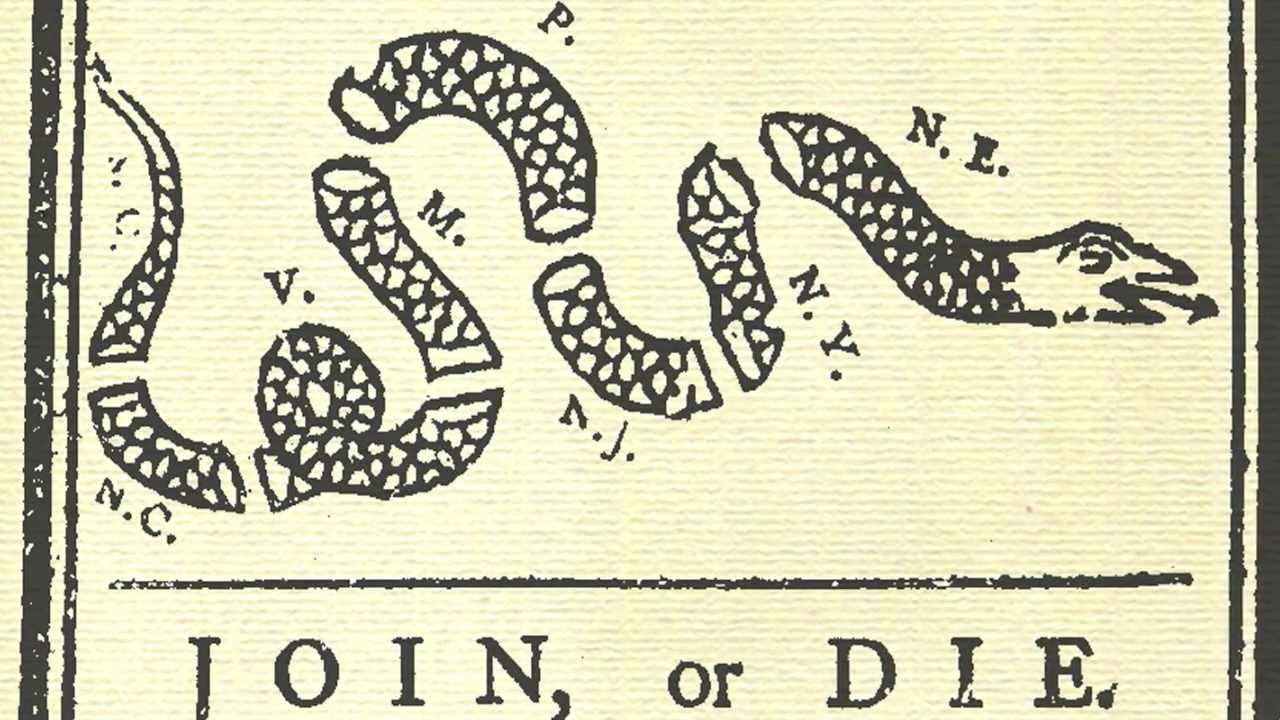
Stamp Act Of 1765 For Kids
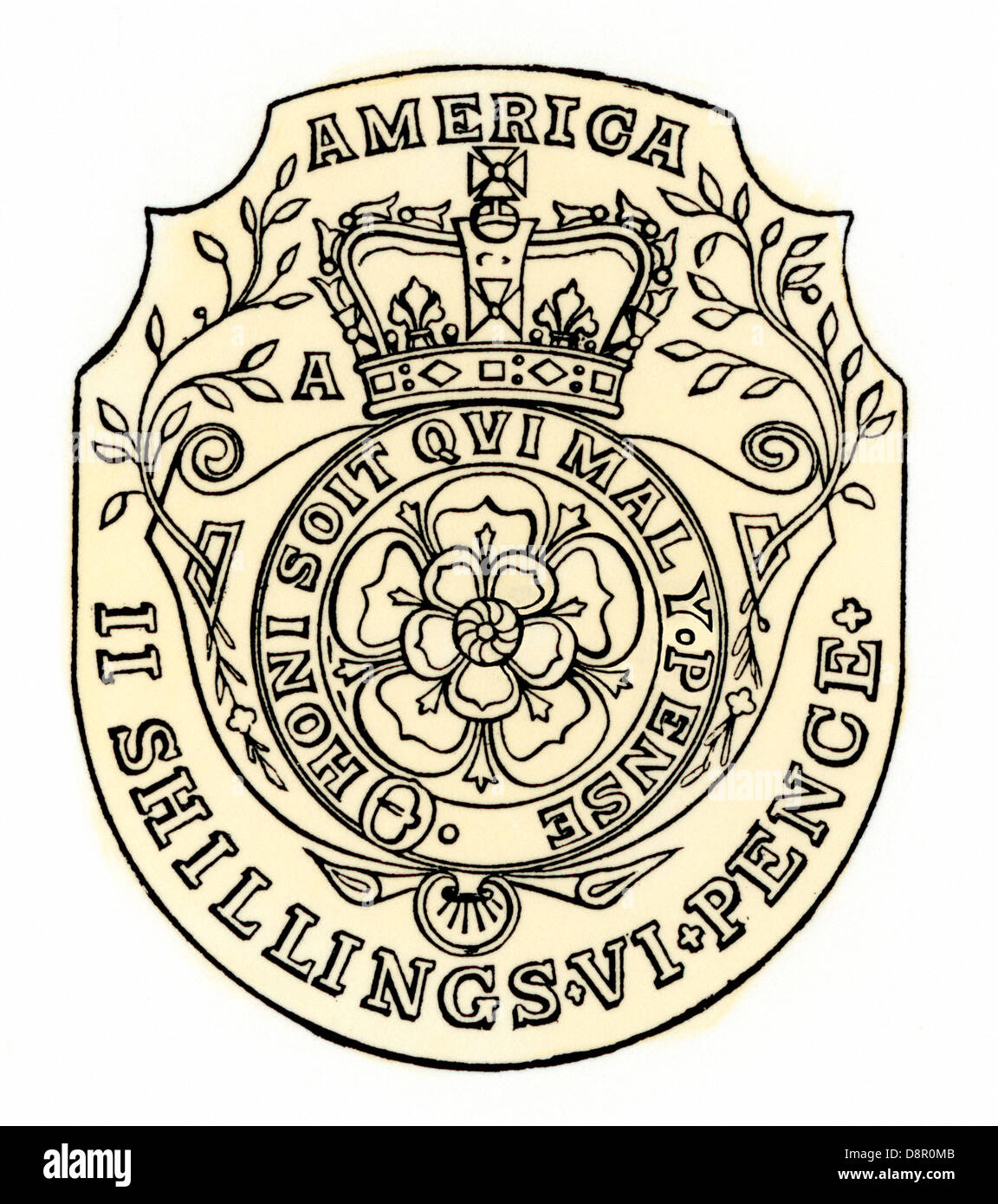
Stamp issued in the Stamp Act, 1765. Handcolored woodcut Stock Photo

1st November 1765 The Stamp Act went into force in the Thirteen
Stamp Act ClipArt ETC

Stamp Act 1765 Drawing

Stamp Act Drawn Project YouTube
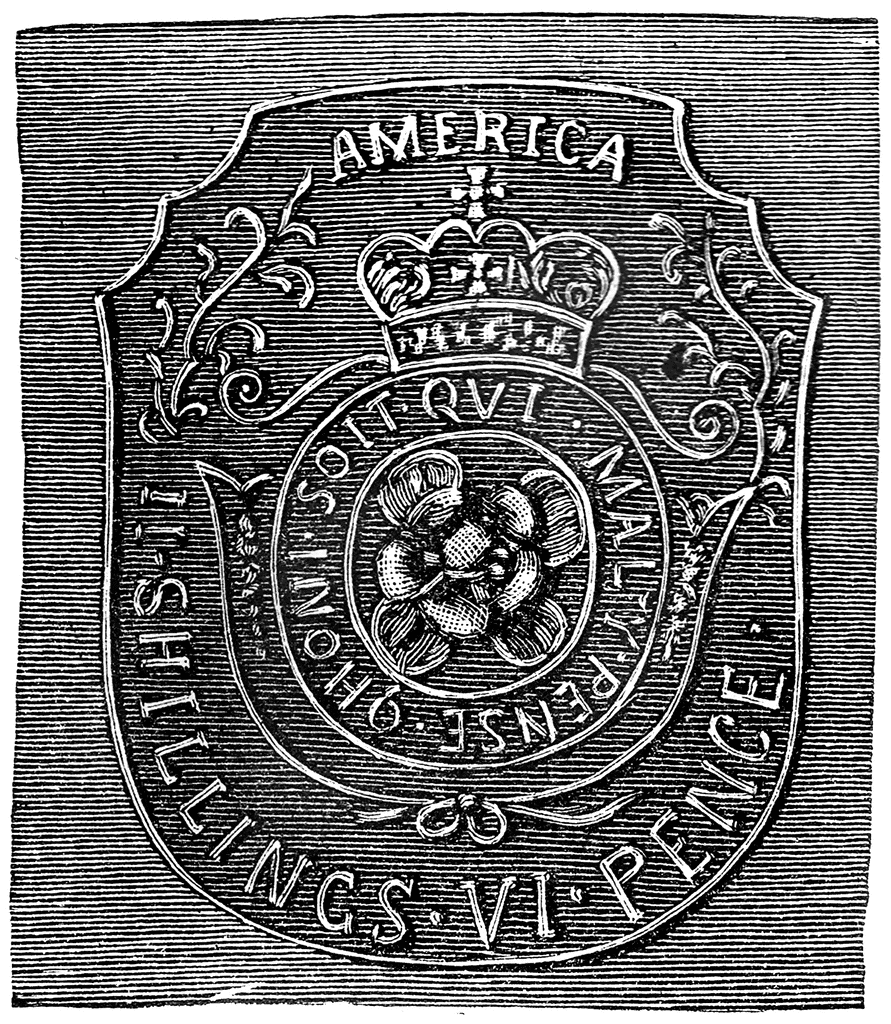
Stamp Act Of 1765 For Kids
This Was Duly Named The Stamp Act As The Colonies Purchased Paper From The British Government Which Was
Text Of The Stamp Act, Reprinted From An Edition Published By Authority, At London, In 1765.
It Required The Colonists To Pay A Tax On All Paper Materials Including Legal Documents, Newspapers, Almanacs, Diplomas, Calendars, And Playing Cards.
You Will Learn How The Colonists' Reacted To This, And What The Final Outcome Was.
Related Post: