
Pictures Of Bruising After Blood Draw
Pictures Of Bruising After Blood Draw - The bruise changes color as it heals, typically lightening or. A hematoma is a swollen area that is filled with blood. Web after having your blood drawn, it’s fairly normal to have a small bruise. Web in this article, we discuss why bruises may appear after a blood draw, when to see a doctor, and how to reduce the likelihood of a bruise occurring. Web a flat, purple bruise that happens when blood leaks into the top layers of your skin is called an ecchymosis. Web it is normal to have some bruising after having your blood drawn. Accidental puncture of the vein wall or nearby capillaries can cause blood to leak into surrounding tissues, leading to a tender bruise. Web bruises develop when capillaries burst after an impact, while blood clots occur when an injury damages blood vessels. Happens in palms, hands, under feet, heels. Web information for blood donors about what to do if you develop a bruise after giving blood or experience arm pain. The blood in the hematoma will be absorbed by your body over the next few days. Switching to a warm compress as the bruise matures can promote blood flow and help clear away the blood more quickly. A hematoma is a swollen area that is filled with blood. The who (world health organization) issues the recommendation to seek medical attention when any or several of the following symptoms occur: Web in this article, we discuss why bruises may appear after a blood draw, when to see a doctor, and how to reduce the likelihood of a bruise occurring. When a needle enters the skin to reach a vein, blood may leak out into the surrounding tissue, causing a bruise, also known as an ecchymosis. A large bruise can take up to three weeks to fully heal. A bruise occurs when a blood vessel is damaged and blood escapes into the tissue under your skin. Web bruises form when small blood vessels under the skin tear or rupture, most often from a bump or fall. Accidental puncture of the vein wall or nearby capillaries can cause blood to leak into surrounding tissues, leading to a tender bruise. Web find out what you need to know about bruising after a blood test, how the blood test is performed, and how to care for your bruise at home. A black eye, or “shiner,” is an example of this kind of bruise. Web information for blood donors about what to do if you develop a bruise after giving blood or. Switching to a warm compress as the bruise matures can promote blood flow and help clear away the blood more quickly. Web what is a hematoma? A bruise occurs when a blood vessel is damaged and blood escapes into the tissue under your skin. The blood in the hematoma will be absorbed by your body over the next few days.. Web firstly, applying a cold pack shortly after the blood draw can reduce initial swelling and slow blood flow to the area. Accidental puncture of the vein wall or nearby capillaries can cause blood to leak into surrounding tissues, leading to a tender bruise. • discolouration of the hand A hematoma is a swollen area that is filled with blood.. Web bruising after a blood draw happens when small blood vessels are damaged during needle insertion. Symptoms include bruising, swelling and discomfort around your vein. The blood in the hematoma will be absorbed by your body over the next few days. When a needle enters the skin to reach a vein, blood may leak out into the surrounding tissue, causing. Web the symptoms of a blown vein include: Web it is normal to have some bruising after having your blood drawn. Web after having your blood drawn, it’s fairly normal to have a small bruise. A black eye, or “shiner,” is an example of this kind of bruise. It’s essential to give your body time to heal and avoid putting. Web what is a hematoma? Web the symptoms of a blown vein include: A large bruise can take up to three weeks to fully heal. Switching to a warm compress as the bruise matures can promote blood flow and help clear away the blood more quickly. Web picture of closeup of a very large bruise on a human arm after. Web there are a few reasons you might get a bruise after a blood draw. Web firstly, applying a cold pack shortly after the blood draw can reduce initial swelling and slow blood flow to the area. Factors like difficult vein puncture, lack of pressure after needle removal, certain medications, and underlying health conditions can. Web engaging in heavy lifting. Web engaging in heavy lifting or strenuous activities immediately after a blood draw can increase blood flow to the area, leading to more significant bruising and discomfort. Web in most people, bruising following blood drawing will quickly disappear within a few days. Web picture of closeup of a very large bruise on a human arm after a botched blood draw. Web bruising after blood test. Happens in palms, hands, under feet, heels. When a needle enters the skin to reach a vein, blood may leak out into the surrounding tissue, causing a bruise, also known as an ecchymosis. Blood work and rheumatology come all negative? Web the symptoms of a blown vein include: The blood in the hematoma will be absorbed by your body over the next few days. Web find out what you need to know about bruising after a blood test, how the blood test is performed, and how to care for your bruise at home. Blood work and rheumatology come all negative? Web bruising after blood test. Web bruising after. The blood in the hematoma will be absorbed by your body over the next few days. A large bruise can take up to three weeks to fully heal. Blood work and rheumatology come all negative? Web firstly, applying a cold pack shortly after the blood draw can reduce initial swelling and slow blood flow to the area. Multiple attempts to find a vein or improper needle insertion can irritate nerves, causing localized pain. Web a bruise develops when blood leaks from smaller blood vessels, causing a purple, blue, or darkened spot to appear on the skin. Web bruises form when small blood vessels under the skin tear or rupture, most often from a bump or fall. Getty images offers global use rights & simple pricing with volume discounts. Family doctor suggests covid vaccine reaction. Web picture of closeup of a very large bruise on a human arm after a botched blood draw stock photo, images and stock photography. A black eye, or “shiner,” is an example of this kind of bruise. Discolored skin around the injection site. • discolouration of the hand The pooling of blood causes a discoloration that is usually darker than the surrounding skin. A bruise might also form if there wasn’t enough pressure applied after the needle is. The who (world health organization) issues the recommendation to seek medical attention when any or several of the following symptoms occur:
Bruise Left Forearm After Blood Drawing Stock Photo 1914791248
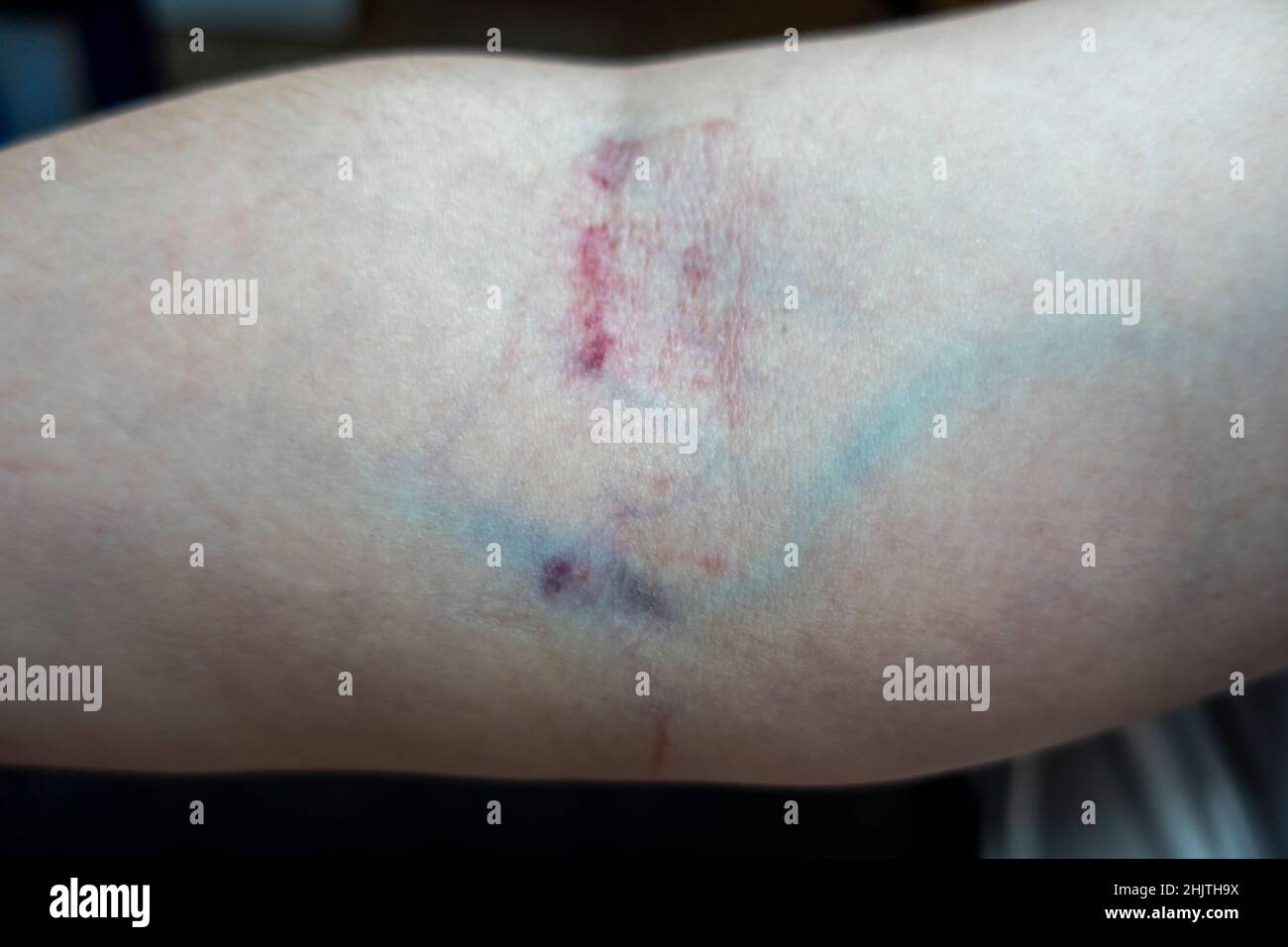
Bruising arm hires stock photography and images Alamy

Bruising after blood test Stock Image C023/0733 Science Photo Library

Top 96+ Images Pictures Of Bruising After Blood Draw Excellent

Bruising after a blood draw What does it mean?
Bruising After Blood Draw Core Plastic Surgery
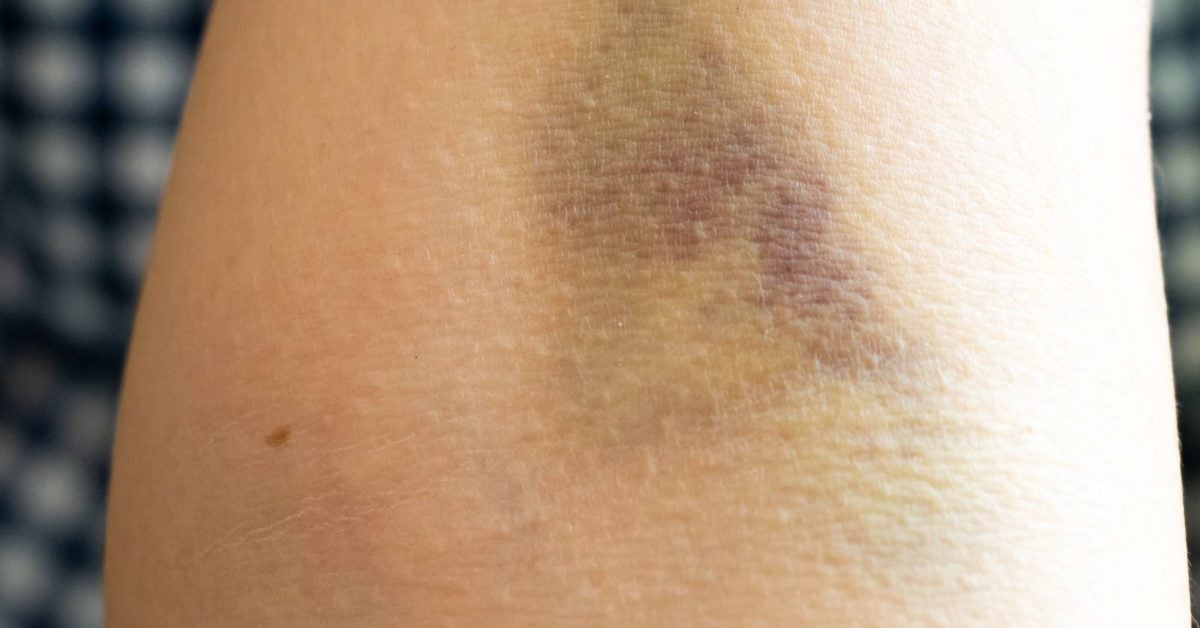
Bruising after a blood draw What does it mean?
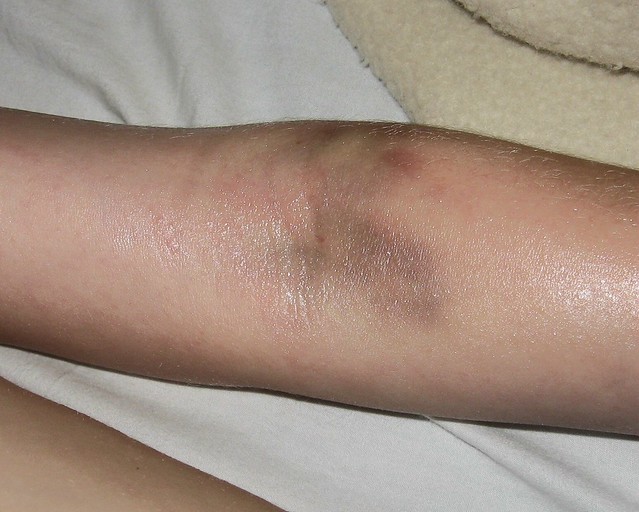
Post Blood Draw Bruise Flickr Photo Sharing!

Great Bruise From Blood Draw How Long in the world Check it out now
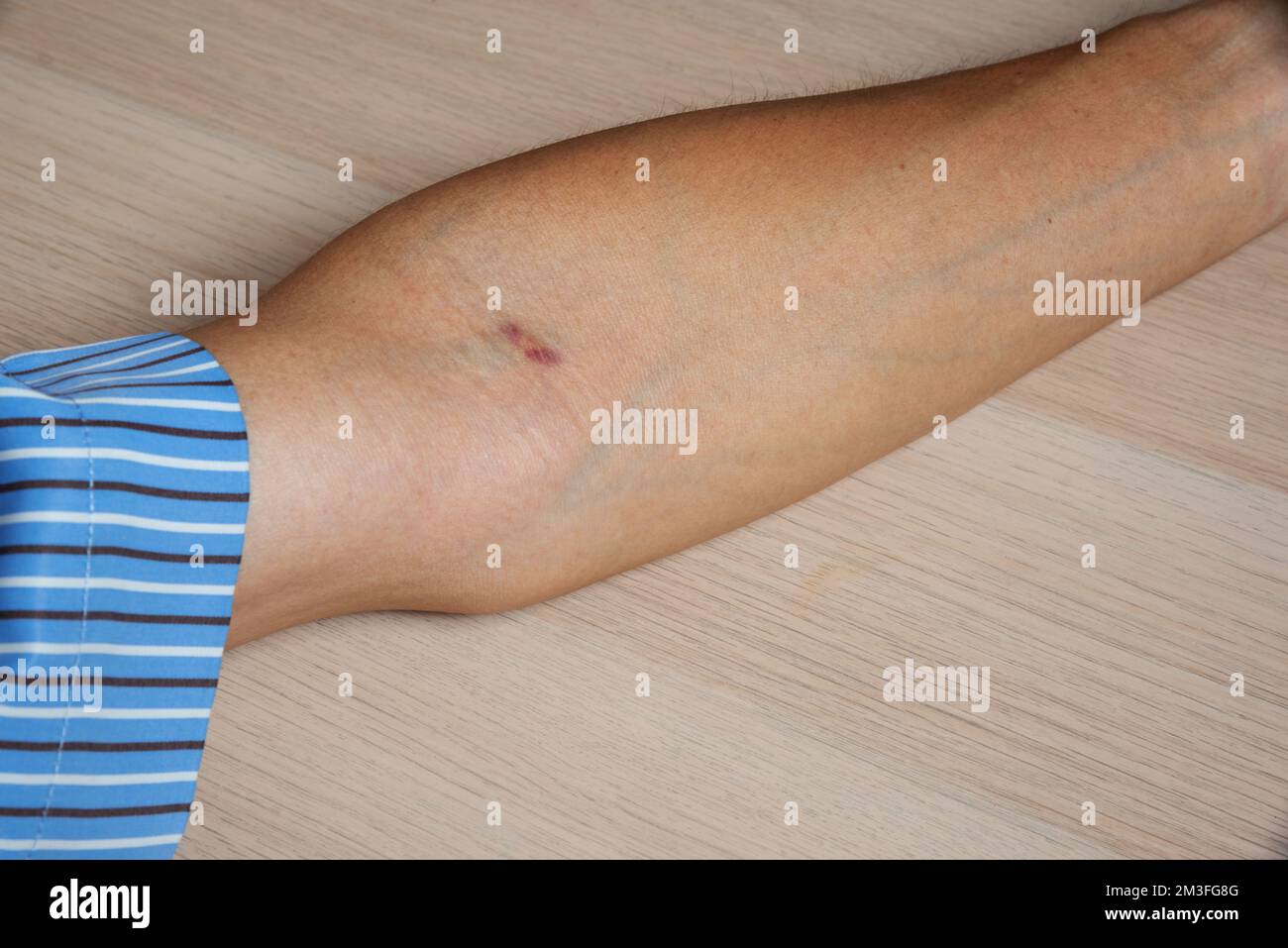
Bruise or ecchymosis of Asian man arm from needle after blood drawn for
When A Needle Enters The Skin To Reach A Vein, Blood May Leak Out Into The Surrounding Tissue, Causing A Bruise, Also Known As An Ecchymosis.
Web After Having Your Blood Drawn, It’s Fairly Normal To Have A Small Bruise.
Web Information For Blood Donors About What To Do If You Develop A Bruise After Giving Blood Or Experience Arm Pain.
Web Bruising After A Blood Draw Is Common, But Measures Can Be Taken To Minimize It.
Related Post: